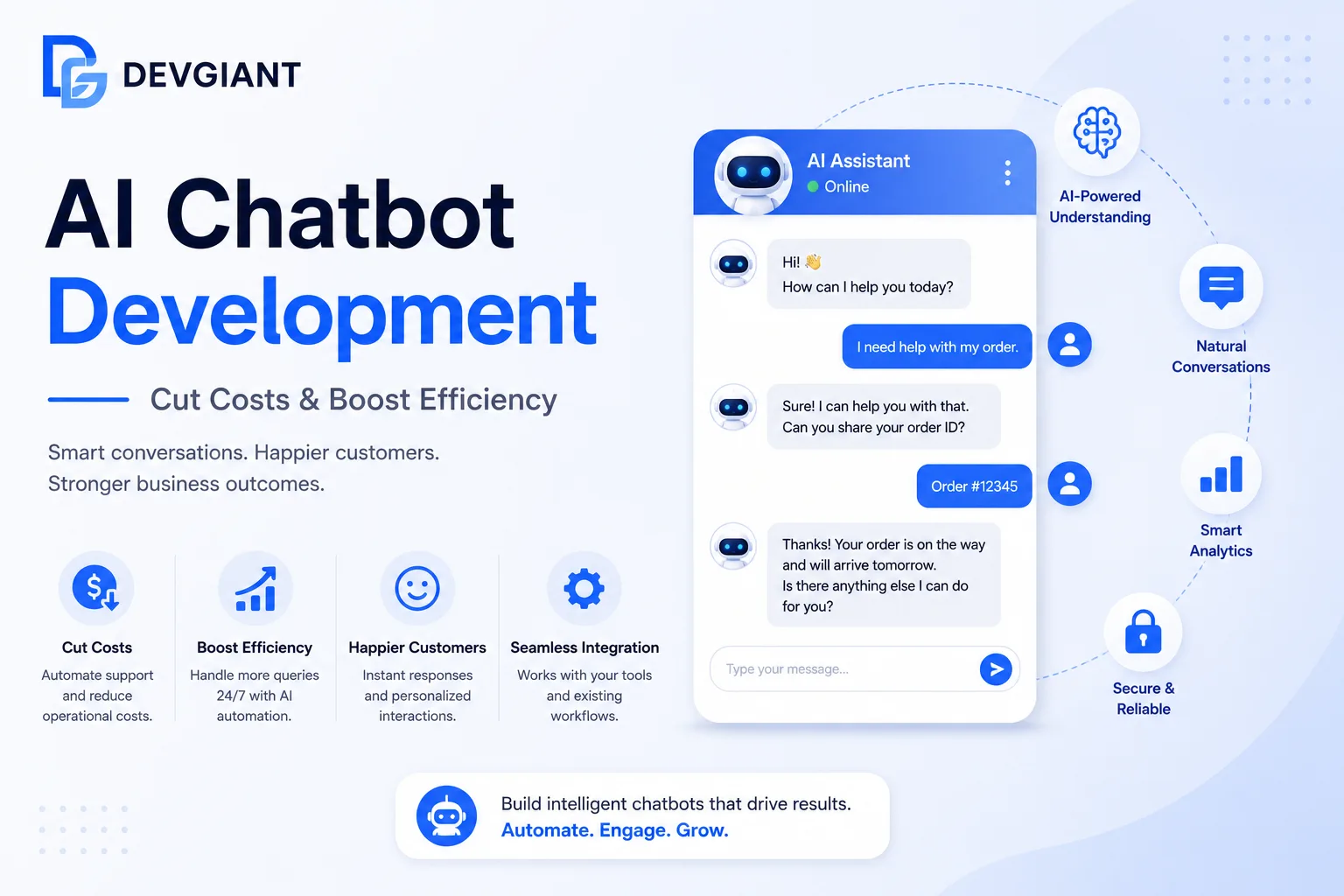
Imagine a customer service team that never sleeps, never takes a break, and never asks for a raise. That team exists today—it's the AI chatbot. For businesses and SaaS companies, AI chatbot development isn’t just a tech trend; it’s a proven strategy to shrink operating expenses while delivering a superior experience. In this guide we’ll explore how AI chatbots reduce costs, the exact mechanisms behind the savings, and the steps you need to implement a solution that scales with your growth.
Why AI Chatbots Matter for Cost Reduction
Eliminating the need for large support staff
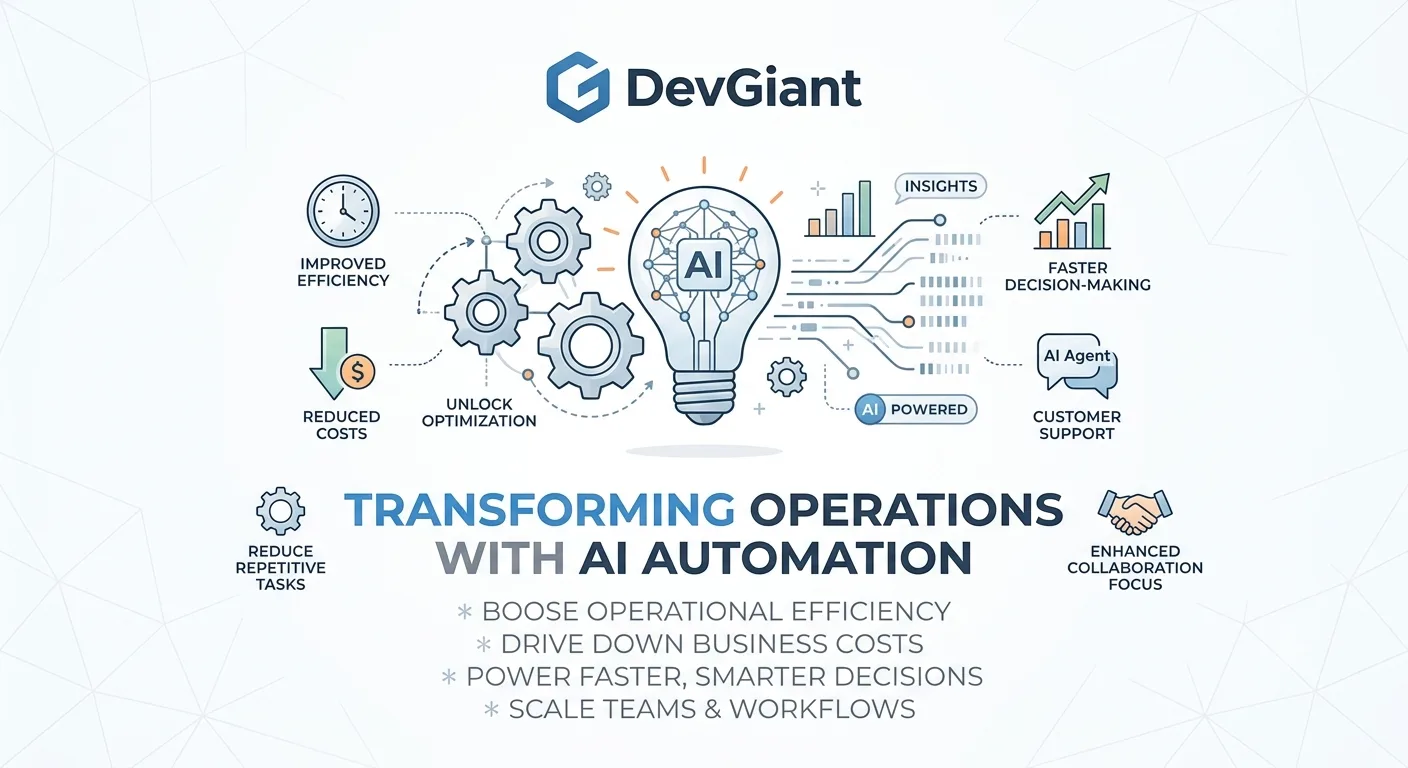
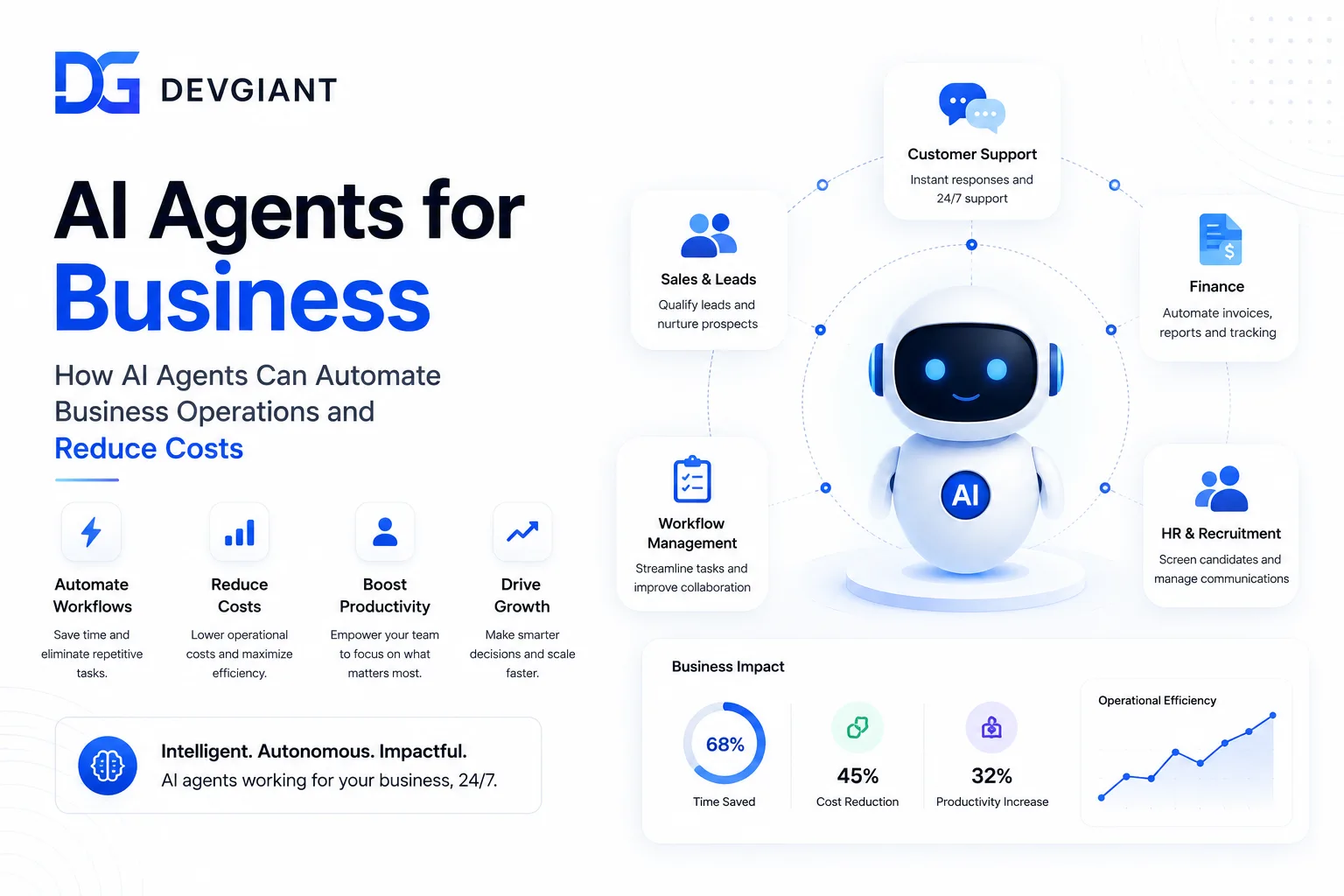
Traditional call‑center models rely on hiring, training, and retaining dozens of agents. Each employee carries salary, benefits, and overhead. An AI chatbot can handle a high volume of routine inquiries—order status, password resets, FAQ answers—without a single paycheck. Companies report up to a 60 % reduction in headcount for first‑line support after deploying a well‑trained bot.
Reducing average handling time (AHT)
Human agents often spend minutes navigating through internal knowledge bases before answering a question. A chatbot pulls the correct response in seconds, cutting AHT dramatically. Faster resolutions translate directly into lower labor costs and higher customer satisfaction scores.
Minimizing error‑related expenses
Human error can lead to refunds, compliance penalties, or brand damage. AI chatbots provide consistent, policy‑compliant answers, lowering the risk of costly mistakes.
Key Benefits of AI Chatbot Development
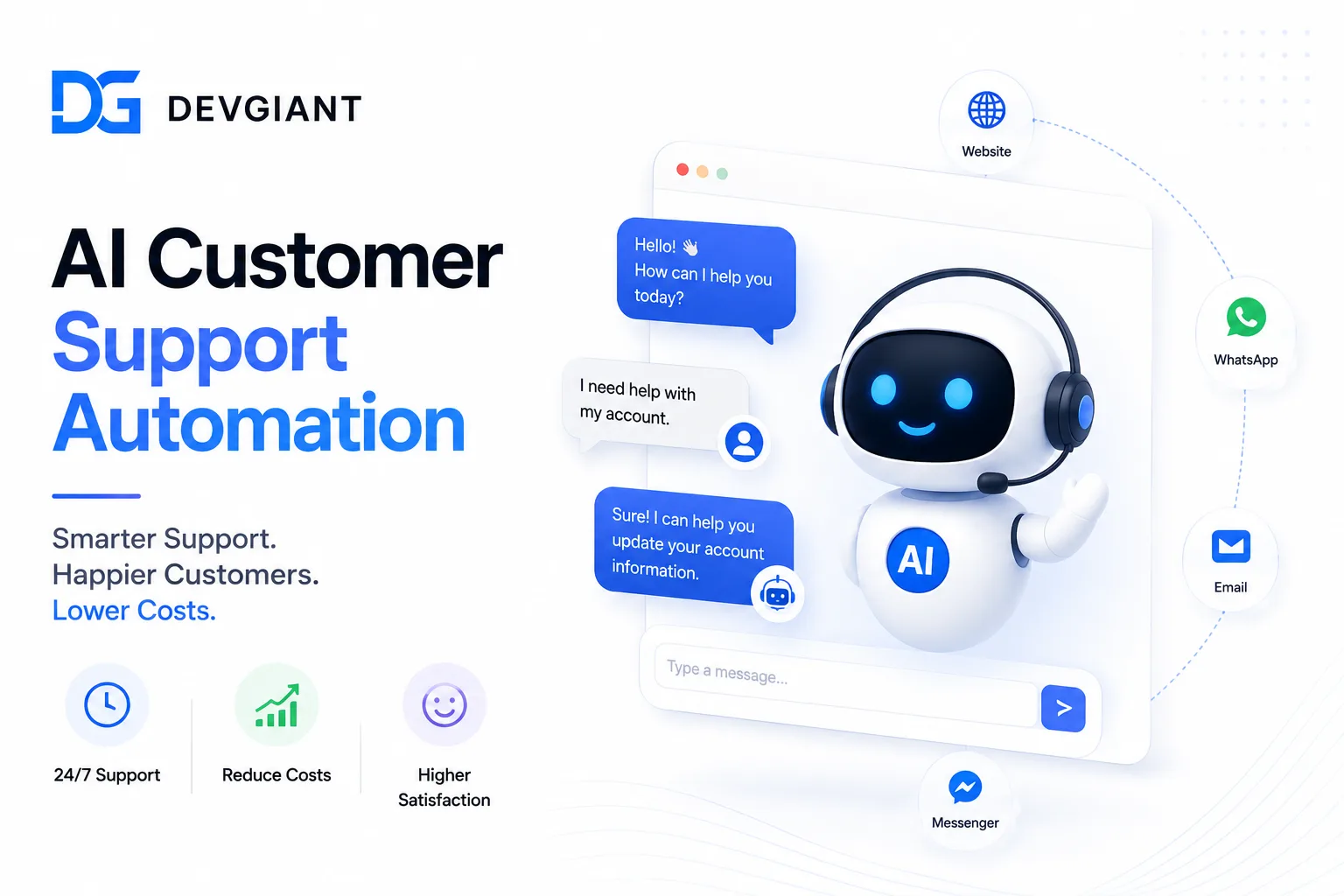
- 24/7 Availability – Customers receive instant help any time of day, eliminating the need for night‑shift staffing.
- Scalable Throughput – One bot can manage thousands of simultaneous chats, handling spikes during promotions without extra cost.
- Data‑Driven Insights – Every interaction is logged, giving you actionable analytics to refine processes and spot revenue opportunities.
- Personalized Upselling – AI can recommend relevant products based on user behavior, turning support conversations into sales channels.
- Reduced Training Overhead – Updating a bot’s knowledge base is a matter of uploading new intents, not re‑training a workforce.
Implementing AI Support Automation: A Step‑by‑Step Guide
1. Define Scope and Success Metrics
Start by mapping the most common support tickets. Choose a pilot area—e.g., billing inquiries—that accounts for at least 30 % of total volume. Set clear KPIs: cost per ticket, first‑contact resolution (FCR), and customer satisfaction (CSAT).
2. Choose the Right Development Approach
There are three main paths:
- In‑house development – Full control, higher upfront cost.
- Platform‑as‑a‑Service (PaaS) – Faster rollout, subscription pricing.
- Hybrid model – Combine a SaaS core with custom extensions.
If you’re unsure, explore custom AI chatbot solutions that match your technical stack and budget.
3. Build Conversational Flows
Use intent‑entity mapping to teach the bot how to interpret user messages. Keep flows short, confirm understanding, and always provide an easy handoff to a human agent when needed.
4. Train with Real Data
Feed the model with historical tickets, chat logs, and FAQs. Augment with synthetic variations to improve robustness. Continuous learning loops keep the bot up‑to‑date as products evolve.
5. Test, Deploy, and Iterate
Run a closed beta with a segment of your customers. Measure the KPIs defined earlier, gather feedback, and refine the language model. Once performance meets targets, roll out to the entire user base.
Choosing the Right Chatbot Software for Your Business
Core capabilities to evaluate
- Natural Language Understanding (NLU) – Accuracy in intent detection.
- Integration ecosystem – Connectors for CRM, ticketing, and payment systems.
- Analytics dashboard – Real‑time metrics and export options.
- Security & compliance – GDPR, HIPAA, or industry‑specific standards.
- Multi‑channel support – Web, mobile app, social media, and voice.
Top vendors and what sets them apart
While the market is crowded, a few platforms consistently rank high for cost‑efficiency:
- Dialogflow CX – Strong Google Cloud integration, pay‑as‑you‑go pricing.
- Microsoft Bot Framework – Enterprise‑grade security, Azure AI services.
- Rasa Open Source – Full control over data, ideal for highly regulated industries.
Regardless of the vendor, ensure the solution can evolve with your product roadmap. Need help picking the perfect fit? Learn more about our services and let our experts guide you.
Measuring ROI and Ongoing Optimization
Calculating cost savings
Use this simple formula:
Cost Savings = (Tickets Handled by Bot × Avg. Agent Salary per Ticket) – (Bot Operating Cost)
Factor in indirect savings such as reduced churn, higher upsell conversion, and lower error‑related refunds.
Continuous improvement loop
- Monitor low‑confidence queries and retrain the model.
- Analyze drop‑off points to streamline conversation paths.
- Update the knowledge base with new product releases.
- Run A/B tests on response phrasing to boost CSAT.
Real‑World Success Stories
Case Study 1: SaaS Billing Platform
A mid‑size SaaS provider integrated an AI chatbot to handle invoice questions. Within six months, they reduced support tickets by 45 %, saved $250,000 in labor costs, and saw a 12 % lift in renewal rates thanks to faster issue resolution.
Case Study 2: E‑commerce Retailer
By deploying a multilingual chatbot for order tracking, the retailer cut average handling time from 4 minutes to 30 seconds and eliminated the need for a dedicated night‑shift team, saving $180,000 annually.
Getting Started Today
Cost reduction through AI isn’t a distant future—it's a concrete, measurable outcome you can achieve now. Begin by auditing your support tickets, choose a development path, and pilot a bot on a high‑volume query set. When you’re ready to scale, partner with experts who understand both the technology and the business impact.
Ready to transform your support operation? Get in touch with our team, and we’ll help you design a custom AI chatbot that delivers real savings from day one.