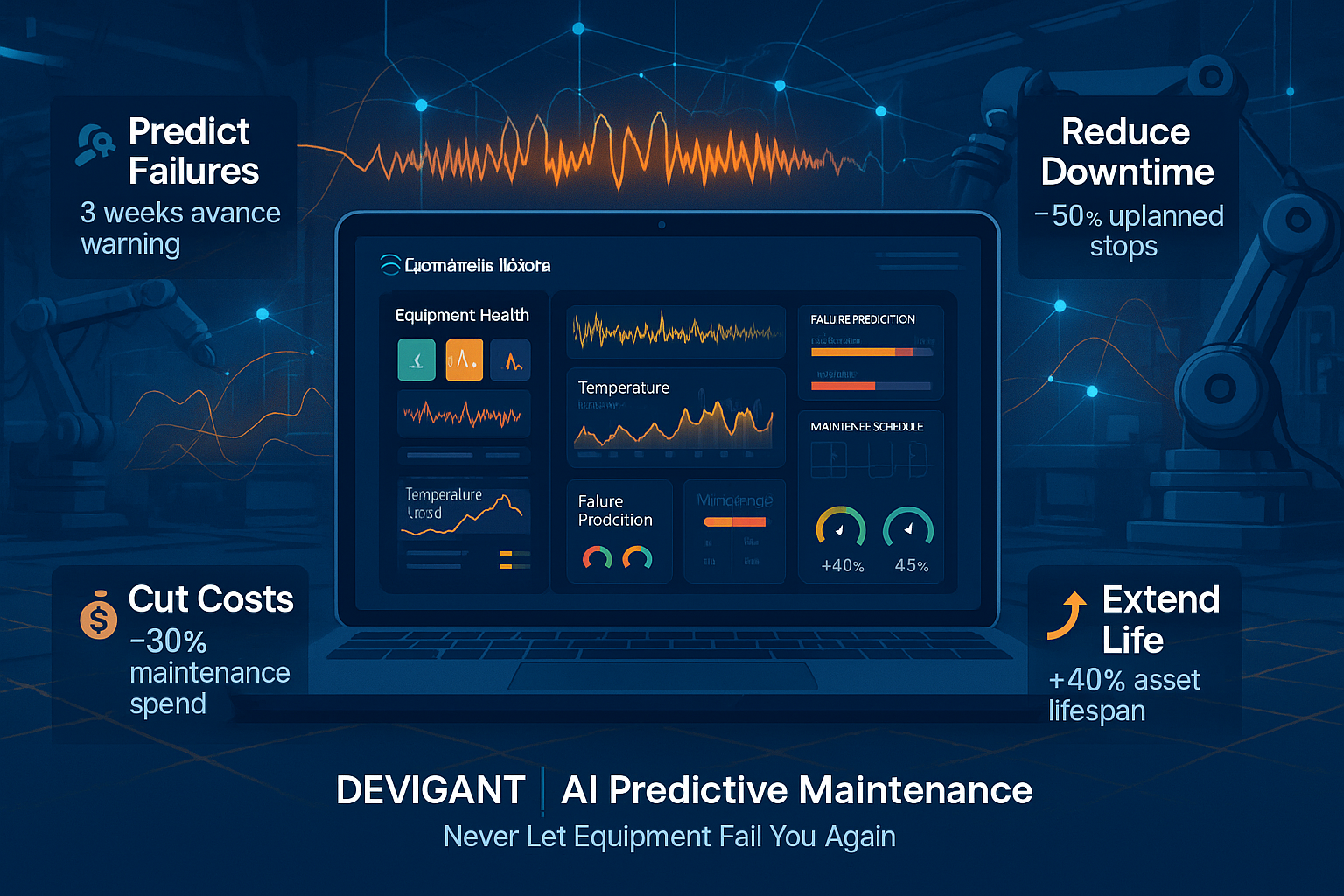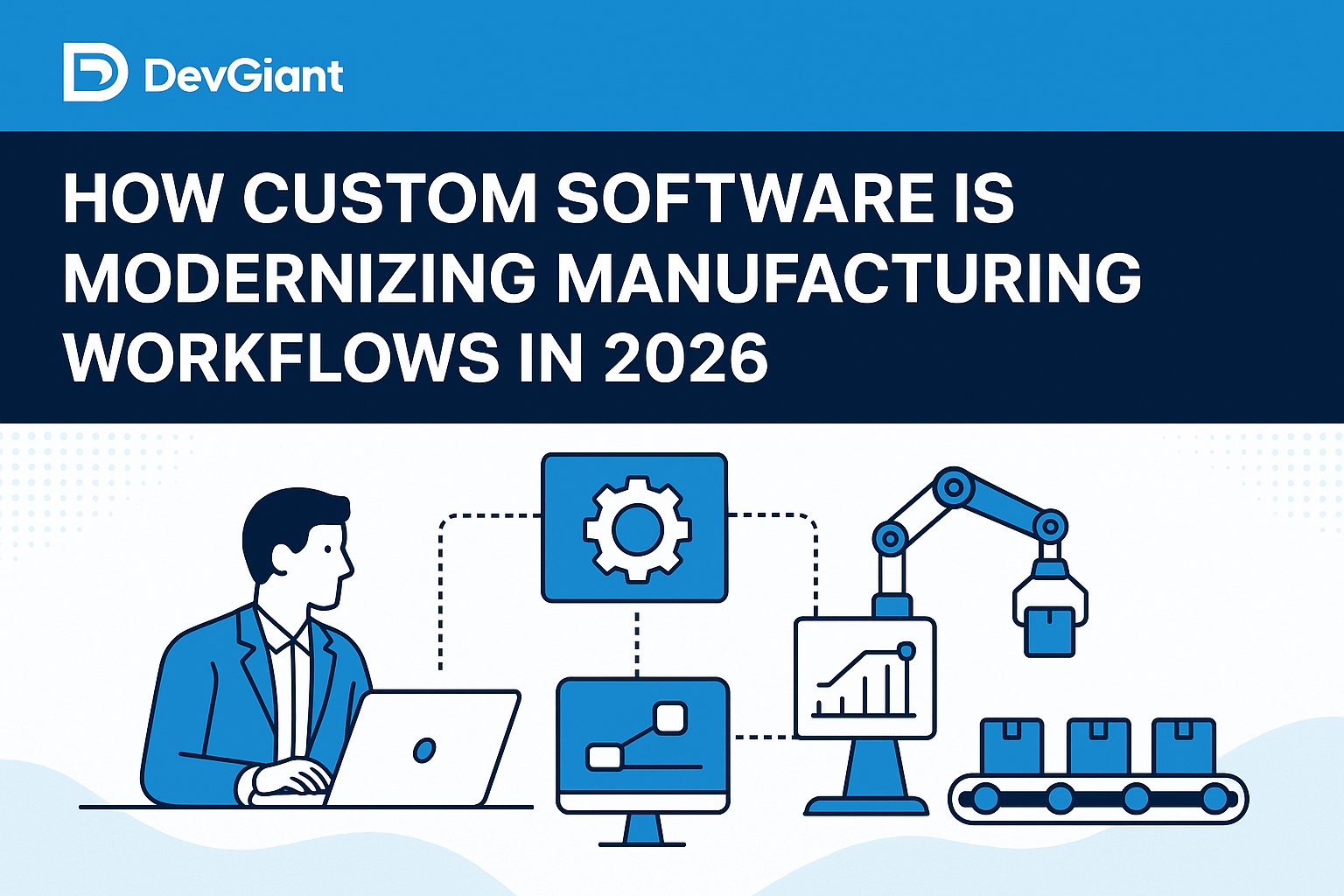
Manufacturing is entering a new era where efficiency, precision, and adaptability define success. Traditional systems—often fragmented and manual—are struggling to keep pace with rising global demand and operational complexity. This is where custom software is playing a transformative role.
In 2026, manufacturers are no longer relying on one-size-fits-all tools. Instead, they are investing in tailored software development solutions that align with their unique workflows, production goals, and supply chain requirements. The result is a more agile, data-driven, and scalable manufacturing ecosystem.
Understanding Custom Software in Modern Manufacturing
Custom software refers to applications specifically designed to meet the unique needs of a business rather than serving a broad audience. In manufacturing, this means building systems that integrate seamlessly with production lines, inventory systems, and operational processes.
Unlike generic tools, custom-built solutions provide flexibility, allowing companies to adapt quickly to changes in demand, compliance requirements, and technological advancements. Whether developed in-house or by an offshore team, these solutions are tailored for performance and long-term scalability.
Core Components of Modern Manufacturing Software
Modern manufacturing systems are built on multiple interconnected components that work together to streamline operations:
- Production Management Systems: Monitor and control manufacturing processes in real time.
- Inventory & Supply Chain Modules: Track materials, suppliers, and logistics efficiently.
- Custom CRM Development: Manage relationships with clients, distributors, and vendors.
- Mobile Interfaces: Enable remote monitoring and control through smartphones and tablets.
- Data Analytics Engines: Provide actionable insights for decision-making.
These components are often unified into a single platform through advanced software architecture, ensuring seamless communication across departments.
How Custom Software Streamlines Manufacturing Workflows
Custom software transforms manufacturing workflows by introducing automation, integration, and real-time visibility. Here’s how a typical workflow is optimized:
- Step 1: Data is collected from machines, sensors, and systems.
- Step 2: Software processes this data to identify patterns and inefficiencies.
- Step 3: Automated actions are triggered, such as adjusting production schedules.
- Step 4: Teams receive real-time updates via dashboards or mobile apps.
- Step 5: Continuous optimization improves output and reduces waste.
This streamlined approach eliminates manual intervention and enhances operational accuracy.
Real-World Applications Across the Industry
Manufacturers across different sectors are leveraging custom software to address specific challenges:
- Automotive Industry: Real-time tracking of assembly lines improves production efficiency and reduces downtime.
- Textile Manufacturing: Automated inventory systems prevent overproduction and material shortages.
- Electronics Production: Quality control systems powered by custom software detect defects early.
These examples highlight how tailored solutions can deliver measurable improvements across diverse manufacturing environments.
Key Benefits for Manufacturing Businesses
The adoption of custom software delivers tangible advantages that directly impact business performance:
- Improved Efficiency: Automation reduces manual tasks and accelerates workflows.
- Cost Optimization: Better resource management minimizes waste and operational expenses.
- Enhanced Visibility: Real-time data provides complete transparency across operations.
- Scalability: Systems grow with the business without requiring major overhauls.
- Better Decision-Making: Data-driven insights support strategic planning.
For SaaS buyers, these benefits translate into higher ROI and stronger competitive positioning.
Challenges and Limitations to Consider
Despite its advantages, implementing custom software requires careful planning and execution:
- Initial Investment: Development costs can be significant upfront.
- Integration Complexity: Aligning new systems with legacy infrastructure may be challenging.
- Data Security Risks: Protecting sensitive operational data is critical.
- Dependency on Expertise: Skilled developers and reliable offshore teams are essential for success.
Addressing these challenges early ensures a smoother implementation process and long-term sustainability.
Best Practices for Successful Implementation
To maximize the value of custom software, manufacturers should follow a strategic approach:
- Clearly define business objectives and workflow requirements.
- Choose experienced software development partners or offshore teams.
- Prioritize scalability and future-proof architecture.
- Ensure seamless integration with existing systems.
- Invest in user training and change management.
These practices help organizations achieve faster adoption and better outcomes from their investment.
The Future of Manufacturing with Custom Software
The future of manufacturing is deeply connected to technological innovation. Custom software will continue to evolve, incorporating advanced capabilities such as:
- AI-driven automation and predictive analytics
- IoT-enabled smart factories
- Cloud-based platforms for global collaboration
- Advanced mobile solutions for real-time control
As these technologies mature, manufacturers that embrace customization will lead the industry in efficiency, innovation, and customer satisfaction.
Frequently Asked Questions
What makes custom software different from off-the-shelf solutions?
Custom software is designed specifically for a business’s needs, जबकि off-the-shelf tools are built for general use and may not fit unique workflows.
Is an offshore team a good option for development?
Yes, offshore teams provide access to global talent, cost efficiency, and faster delivery timelines when managed effectively.
How long does it take to develop custom manufacturing software?
The timeline depends on complexity, but most projects range from a few months to a year.
Can custom software integrate with existing systems?
Yes, modern solutions are designed to integrate seamlessly with legacy systems and third-party tools.
Conclusion
Custom software is no longer a luxury—it is a strategic necessity for manufacturers aiming to thrive in 2026 and beyond. By replacing outdated systems with tailored solutions, businesses can unlock new levels of efficiency, agility, and innovation.
From streamlined workflows to data-driven decision-making, the impact of custom-built systems is both immediate and long-lasting. Organizations that invest in the right technology and development approach—whether through in-house expertise or offshore teams—will be well-positioned to lead the future of manufacturing.
Now is the time to evaluate your current processes and explore how custom software can redefine your operational success.