Why AI Is a Game‑Changer for SaaS
Artificial intelligence (AI) is reshaping every layer of the software‑as‑a‑service (SaaS) ecosystem. From the moment a user signs up, AI algorithms can analyze behavior, predict needs, and deliver a product experience that feels tailor‑made. This level of personalization reduces friction, increases adoption, and ultimately boosts lifetime value. Moreover, AI automates repetitive tasks—such as data entry, ticket routing, and anomaly detection—freeing engineering and support teams to focus on innovation rather than maintenance. By embedding intelligence directly into the core product, SaaS providers can differentiate themselves in crowded markets and create sustainable competitive advantages.
Personalized User Experiences
Machine‑learning models ingest usage logs, clickstreams, and demographic data to generate real‑time recommendations. For example, a project‑management SaaS can suggest task priorities based on past completion patterns, while a marketing automation platform can auto‑segment leads with a few clicks. These dynamic adjustments not only improve satisfaction but also drive higher conversion rates for upsell and cross‑sell opportunities.
Intelligent Automation
AI‑driven automation goes beyond simple rule‑based workflows. Predictive models can anticipate when a subscription is likely to lapse and trigger proactive retention actions. Natural‑language processing (NLP) powers chatbots that resolve 70 % of support tickets without human intervention, cutting operational costs dramatically. The result is a leaner operation that scales effortlessly as the user base grows.
Key AI Technologies Powering SaaS
Machine Learning & Predictive Analytics
At the heart of most AI‑enhanced SaaS products lies machine learning (ML). Supervised learning algorithms learn from historical data to forecast future outcomes—such as churn probability, revenue forecasts, or demand spikes. Unsupervised techniques cluster users into segments that reveal hidden usage patterns, enabling product teams to craft targeted feature releases.
Natural Language Processing
NLP enables SaaS applications to understand and generate human language. Sentiment analysis can gauge customer satisfaction from support tickets or reviews, while language generation helps draft personalized emails, contracts, or code snippets. Integrating NLP APIs reduces the need for custom linguistic models, accelerating time‑to‑market.
Computer Vision & Image Recognition
For SaaS solutions that handle visual data—such as digital asset management, e‑commerce, or security platforms—computer vision adds immense value. Image classification can automatically tag photos, while object detection can flag compliance‑risk content in real time. These capabilities turn raw images into searchable, actionable assets.
Practical Applications of AI in SaaS
Customer Support Chatbots
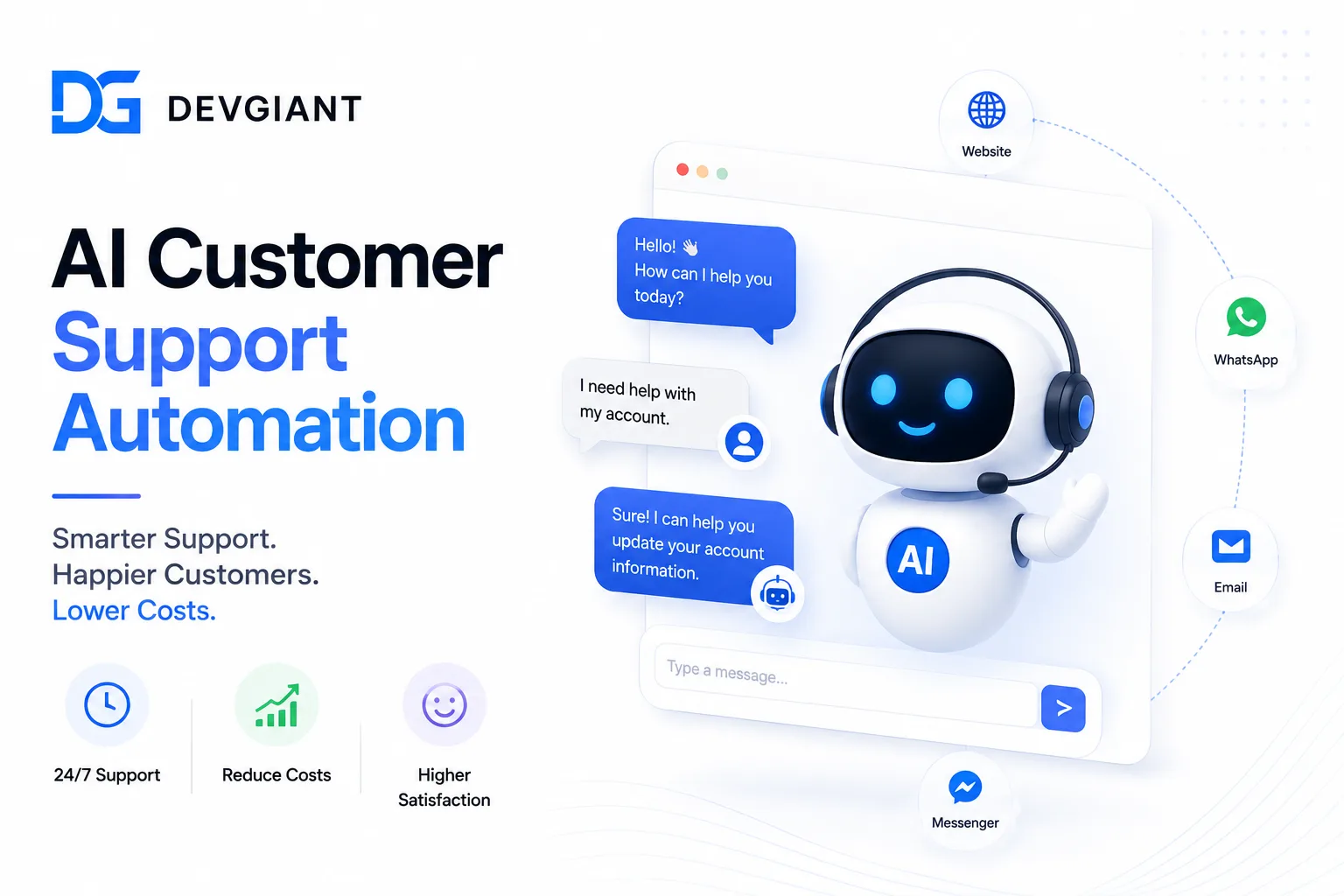
Deploying an AI chatbot on your help center can answer common questions, reset passwords, and guide users through onboarding flows. By leveraging intent detection and entity extraction, the bot routes complex issues to human agents with full context, reducing average handling time by up to 40 %.
Dynamic Pricing and Revenue Optimization
AI models analyze market trends, competitor pricing, and user willingness‑to‑pay to recommend optimal price points for each customer segment. This dynamic pricing approach can increase average revenue per user (ARPU) without alienating price‑sensitive customers.
Churn Prediction and Retention
Predictive churn models score each account based on usage frequency, feature adoption, and support interactions. When a high‑risk score emerges, automated campaigns—such as personalized discounts or dedicated success manager outreach—can be triggered automatically, improving retention rates.
Implementation Roadmap for SaaS Companies
Assess Data Readiness
AI initiatives start with data. Conduct an audit of data sources, quality, and governance policies. Clean, labeled datasets are essential for training reliable models. If gaps exist, invest in data pipelines and observability tools before proceeding.
Select the Right AI Platform
Choose a platform that aligns with your tech stack and scalability goals. Cloud providers like AWS, Azure, and Google Cloud offer managed ML services that reduce infrastructure overhead. For tighter integration, consider low‑code AI platforms that let product managers prototype models without deep data‑science expertise.
Integrate and Iterate
Begin with a Minimum Viable AI (MVA) feature—such as a recommendation widget—and monitor key metrics (conversion, engagement, error rate). Use A/B testing to validate impact, then iterate. Continuous learning pipelines keep models up‑to‑date as new data flows in.
Ready to accelerate your SaaS product with AI? Explore our AI‑focused development services and see how we can help.
Measuring Success and Scaling AI
Define clear success criteria: reduction in support tickets, increase in upsell conversion, or improvement in churn prediction accuracy. Track these KPIs in real time with dashboards that surface model performance and business impact. As confidence grows, expand AI to additional modules—billing, analytics, or security—to compound value.
Have questions or want a custom demo? Contact our experts today.
Check out our AI‑enabled SaaS case studies for real results.
Conclusion
Integrating AI into SaaS applications is no longer a futuristic concept; it’s a proven pathway to higher efficiency, better user experiences, and sustainable growth. By following a disciplined roadmap—starting with data, choosing the right platform, and iterating fast—your organization can unlock the full potential of AI. Start the journey now and let DevGiant guide you toward an intelligent, future‑ready SaaS product.