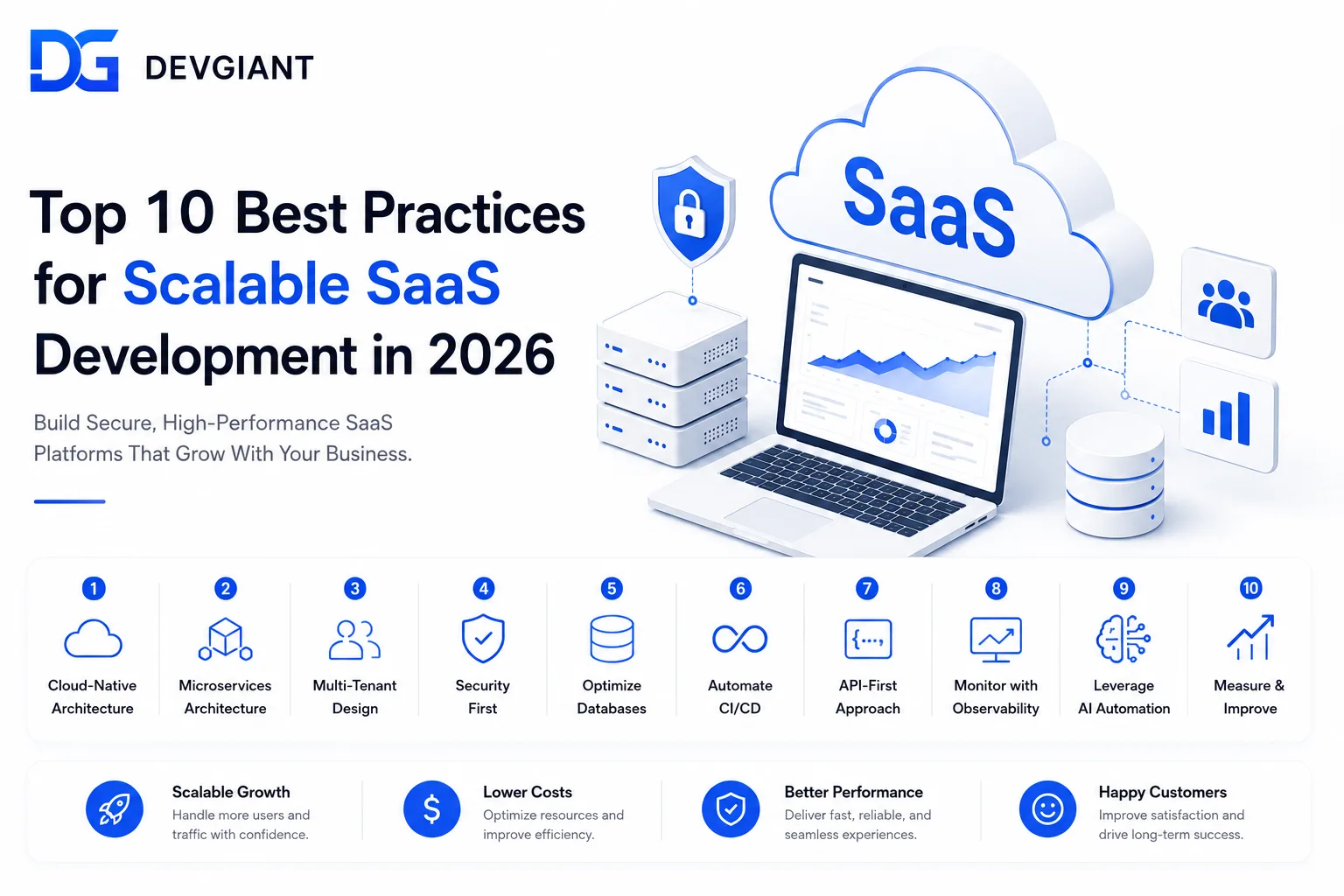
The Software-as-a-Service (SaaS) industry continues to evolve rapidly, with businesses demanding platforms that are faster, more secure, and capable of supporting millions of users. As customer expectations rise and competition intensifies, scalability has become one of the most important success factors for SaaS products.
Whether you're a startup building your first SaaS application or an enterprise modernizing an existing platform, following proven development practices can help you reduce technical debt, improve performance, and prepare your application for long-term growth.
In this guide, we'll explore the top 10 best practices for scalable SaaS development in 2026 and explain how businesses can build future-ready software that grows with their customers.
Why Scalability Matters in SaaS Development
Scalability isn't just about handling more users. It's about ensuring your application continues to deliver exceptional performance, reliability, and security as your business expands.
A scalable SaaS platform enables businesses to:
- Support increasing user traffic without performance degradation.
- Reduce infrastructure costs through efficient resource management.
- Improve customer satisfaction with faster response times.
- Accelerate feature releases without affecting system stability.
- Expand into new markets confidently.
1. Design a Cloud-Native Architecture
Modern SaaS applications should be built for the cloud from day one. Cloud-native architecture provides flexibility, elasticity, and resilience that traditional infrastructure cannot match.
Leveraging cloud providers like AWS, Microsoft Azure, or Google Cloud enables automatic scaling, distributed services, and high availability while minimizing operational overhead.
2. Build with a Microservices Architecture
Monolithic applications become difficult to maintain as they grow. Breaking your application into microservices allows each service to scale independently and be deployed without affecting the entire system.
Benefits include:
- Independent deployments
- Improved fault isolation
- Better development productivity
- Simplified scaling
- Technology flexibility
3. Implement Multi-Tenant Architecture Properly
Multi-tenancy allows multiple customers to share the same application while keeping their data isolated and secure.
Proper tenant isolation improves operational efficiency, reduces infrastructure costs, and simplifies maintenance while ensuring compliance and security.
4. Prioritize Security from Day One
Cybersecurity is no longer optional. Security should be integrated into every stage of the development lifecycle rather than added after deployment.
Key security practices include:
- Role-based access control (RBAC)
- Multi-factor authentication
- Data encryption at rest and in transit
- Secure API authentication
- Regular vulnerability assessments
- Compliance with GDPR, SOC 2, and ISO standards
5. Optimize Database Performance
As user data grows, database performance becomes one of the biggest bottlenecks.
Best practices include:
- Database indexing
- Connection pooling
- Caching frequently accessed data
- Read replicas
- Database partitioning when necessary
A well-optimized database significantly improves application responsiveness and user experience.
6. Automate CI/CD Pipelines
Continuous Integration and Continuous Deployment (CI/CD) enable development teams to release updates faster while reducing deployment risks.
Automated testing and deployment pipelines improve software quality by identifying issues before production releases.
Popular CI/CD tools include GitHub Actions, GitLab CI/CD, Jenkins, and Azure DevOps.
7. Build API-First Applications
Modern SaaS platforms rely heavily on APIs to connect mobile applications, third-party integrations, and external services.
Designing APIs first ensures flexibility, simplifies integrations, and supports future expansion without major architectural changes.
8. Monitor Everything with Observability Tools
Monitoring application health is essential for maintaining performance and reliability.
Comprehensive observability includes:
- Infrastructure monitoring
- Application performance monitoring
- Error tracking
- Centralized logging
- Real-time alerting
Tools such as Grafana, Prometheus, Datadog, and New Relic provide valuable operational insights.
9. Leverage AI-Powered Automation
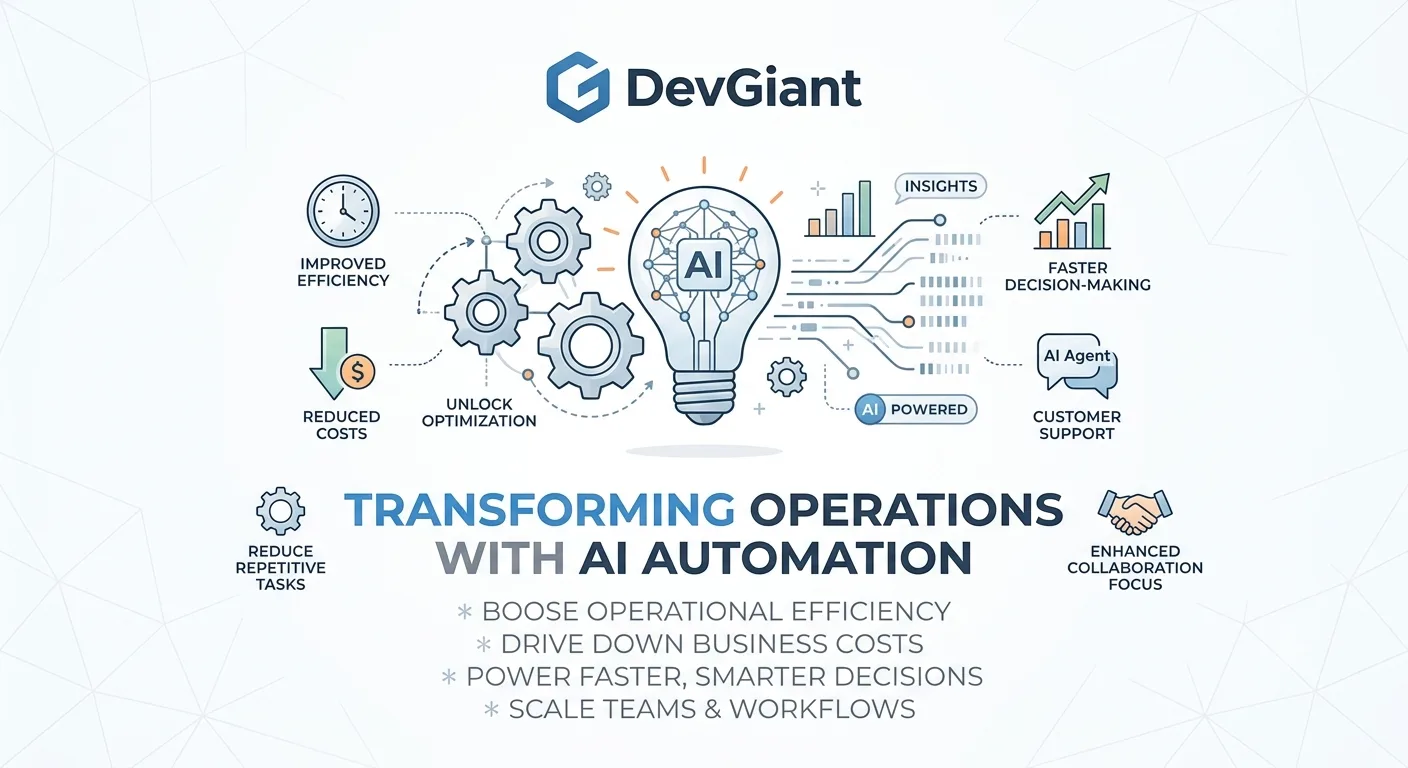
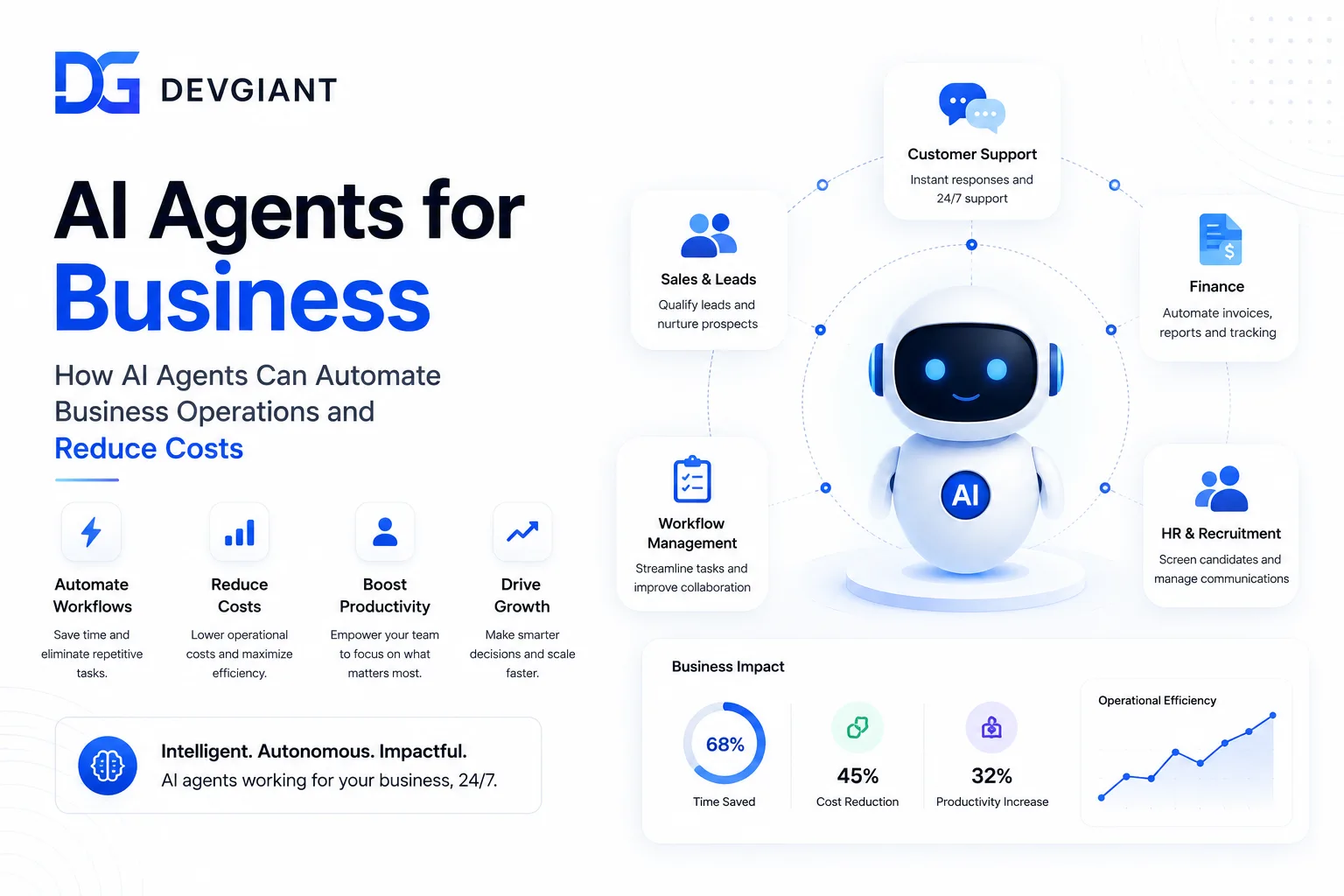
AI is transforming SaaS development by automating repetitive operational tasks and improving customer experiences.
Organizations are increasingly implementing AI-powered features like:
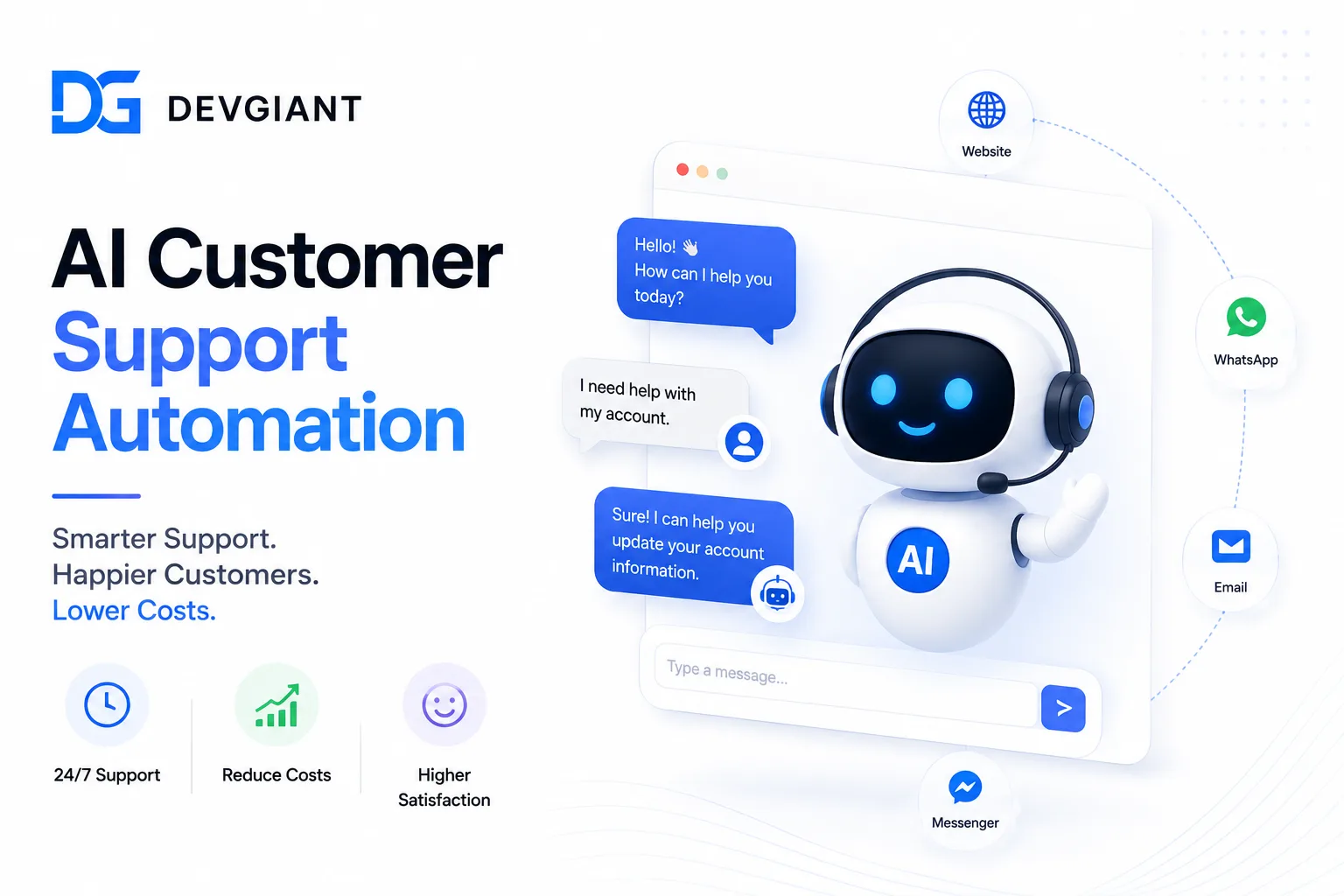
- Intelligent customer support
- Workflow automation
- Predictive analytics
- Smart recommendations
- AI-powered reporting
Learn more about our AI Automation Services to integrate intelligent automation into your SaaS platform.
10. Continuously Measure and Improve Performance
Scalable SaaS development is an ongoing process. Teams should continuously monitor key performance indicators (KPIs) to identify opportunities for optimization.
Track metrics such as:
- Application response time
- API latency
- Customer retention
- Infrastructure utilization
- System uptime
- Error rates
Continuous optimization ensures your platform remains competitive and delivers exceptional user experiences.
Common Mistakes to Avoid
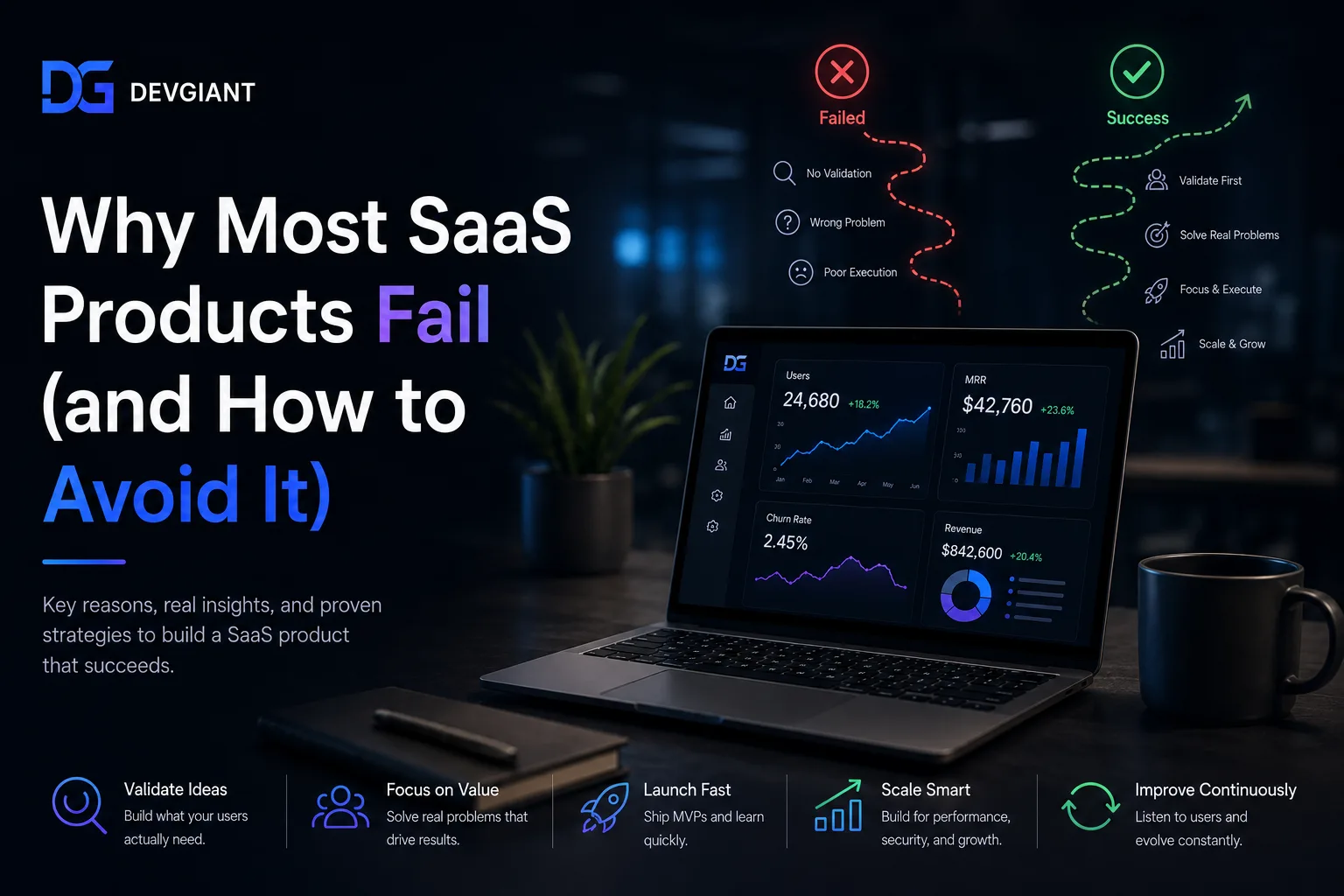
Even well-funded SaaS projects encounter scalability issues due to avoidable mistakes.
- Building a monolithic architecture that becomes difficult to scale.
- Ignoring infrastructure automation.
- Overlooking security during early development.
- Poor database design and inefficient queries.
- Insufficient monitoring and performance testing.
- Skipping automated testing before deployments.
Future Trends in SaaS Development for 2026
The SaaS landscape continues to evolve with new technologies shaping the future of software development.
- AI-powered development assistants
- Autonomous AI agents
- Serverless computing
- Edge computing
- Low-code and no-code integrations
- Enhanced cybersecurity frameworks
- Hyper-personalized user experiences
Businesses that embrace these innovations will gain a significant competitive advantage while improving operational efficiency.
Build Future-Ready SaaS Solutions with DevGiant
Developing a scalable SaaS platform requires more than writing great code it demands the right architecture, security strategy, cloud infrastructure, and continuous optimization. By following these best practices, businesses can build applications that are prepared for rapid growth while delivering exceptional customer experiences.
At DevGiant, we specialize in designing and developing secure, scalable, and high-performance SaaS solutions tailored to your business goals. Explore our SaaS Development Services, discover more insights on our AI Automation blog, or contact our experts to discuss your next SaaS project.